As global awareness of sustainable development continues to deepen, the hospitality industry is accelerating its transition toward environmentally friendly and low-carbon operations. Eco-friendly hotel linens have rapidly emerged as a major global procurement trend. Products such as organic cotton bedding, recycled-fiber towels, and low-carbon manufactured textiles are gradually replacing traditional linens, becoming essential choices for hotels worldwide. According to research from the International Hotel & Restaurant Association (IH&RA), more than 85% of global hotel chains have established sustainability goals and plan to transition to 100% eco-friendly linen materials by 2030. This shift is creating significant new growth opportunities for exporters of hotel supplies.
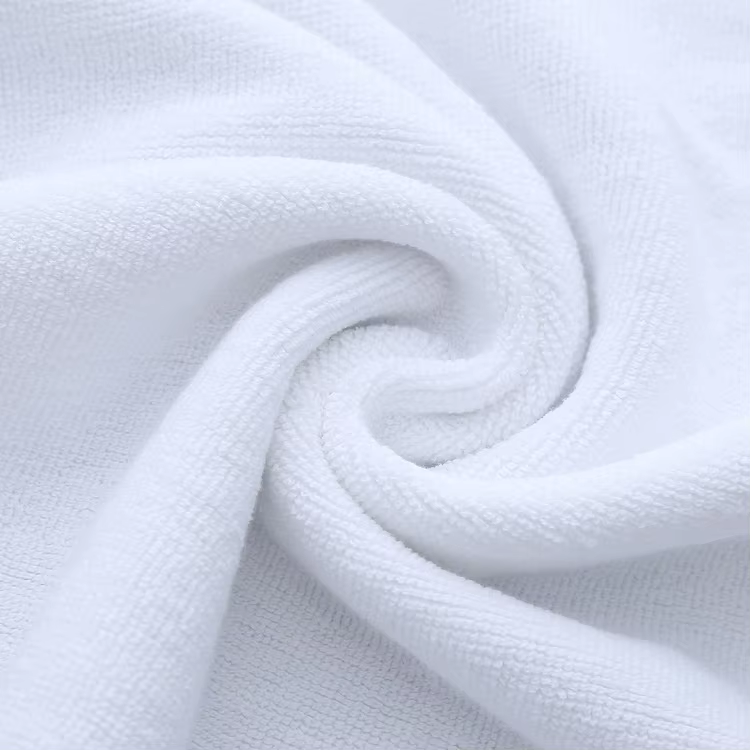
The advantages of eco-friendly hotel linens go far beyond meeting environmental regulations and satisfying consumer demand for green products. They also provide long-term operational value for hotels. On one hand, eco-friendly linens are made from sustainable materials such as organic cotton and recycled fibers, with production processes that minimize the use of chemical pesticides and synthetic dyes. This reduces environmental impact and supports hotels in achieving ESG (Environmental, Social, and Governance) objectives, enhancing both brand image and market competitiveness. On the other hand, high-quality eco-friendly linens often offer superior durability, which reduces replacement frequency and lowers long-term operational costs. This creates a balanced outcome where sustainability and cost efficiency go hand in hand.
Today, procurement standards for eco-friendly hotel linens are becoming increasingly sophisticated. Buyers are no longer focused solely on raw materials but are also evaluating the environmental impact of the entire lifecycle, including manufacturing processes, logistics, and recycling systems. This shift is driving the industry toward a full lifecycle sustainability model, encouraging suppliers to integrate low-carbon practices across every stage of production and distribution.
China’s hotel supply chain has taken a proactive and forward-looking approach, positioning itself as a key global supplier of eco-friendly hotel linens. In recent years, leading Chinese manufacturers have significantly increased investment in research and development, focusing on sustainable materials and low-carbon production technologies. As a result, they have introduced a wide range of environmentally friendly products, including organic cotton bedding, recycled polyester fiber towels, and biodegradable bath mats. These products are certified under internationally recognized standards such as the Global Organic Textile Standard (GOTS) and the Global Recycled Standard (GRS), ensuring compliance with global procurement requirements and environmental regulations.
Compared with international suppliers, Chinese eco-friendly linen products offer several competitive advantages. First, cost efficiency remains a major strength. With a fully integrated supply chain, Chinese manufacturers can achieve large-scale production of sustainable materials, resulting in eco-friendly products that are typically priced 20% to 30% lower than comparable products from other regions. This provides significant cost savings for hotels. Second, China has developed strong technological capabilities in areas such as organic cotton cultivation, recycled material innovation, and low-carbon dyeing processes. These advancements enable the production of high-quality eco-friendly linens that meet the demands of even luxury hotel brands. Third, customization capabilities are highly flexible. Suppliers can design tailored eco-friendly solutions based on each hotel’s sustainability goals, offering comprehensive services that include raw material traceability, product development, and certification support.
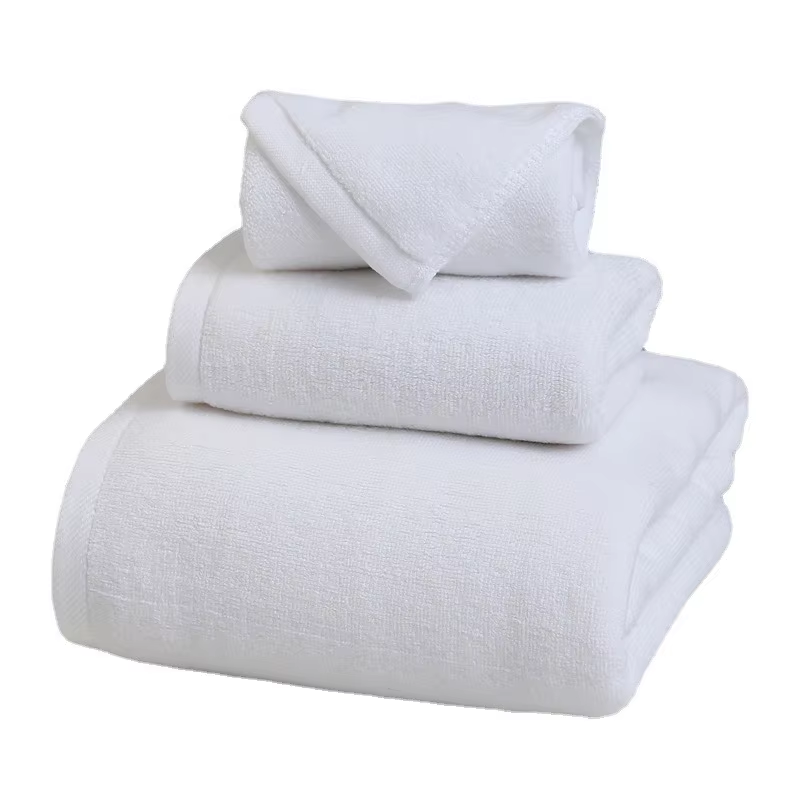
In the global market, demand for eco-friendly hotel linens is growing rapidly. Hotels in mature markets such as Europe and North America have taken the lead in adopting sustainable procurement practices. Major international hotel groups, including Marriott and Hilton, have already implemented eco-friendly bedding and towel programs across their properties. Meanwhile, emerging markets in Southeast Asia and the Middle East are quickly catching up, with local hotel brands increasingly adopting eco-friendly linens as a key strategy to enhance their competitiveness and attract environmentally conscious travelers.
Consumer behavior is also playing a critical role in driving this trend. Environmental awareness among travelers has increased significantly, with more than 70% of global consumers indicating that they are willing to pay higher room rates for hotels that adopt sustainable practices, including the use of eco-friendly linens. This growing preference is further encouraging hotels to prioritize environmentally responsible procurement strategies.
For foreign trade enterprises, capturing the opportunities presented by the sustainability movement requires a comprehensive upgrade in both product development and brand positioning. On the product side, companies need to increase investment in sustainable technologies and expand the use of eco-friendly materials. By developing a broader range of products that meet international environmental standards, businesses can establish a strong competitive edge in the global marketplace.
On the branding side, it is essential to clearly communicate sustainability values. By leveraging cross-border e-commerce platforms and digital marketing channels, companies can effectively showcase their environmental commitments, highlight product certifications, and demonstrate low-carbon advantages throughout the supply chain. This helps build trust with international buyers and enhances brand recognition.
Additionally, providing integrated sustainability solutions is becoming increasingly important. Instead of simply supplying products, companies can support hotels in developing comprehensive linen upgrade strategies. This includes guidance on procurement, usage, maintenance, and recycling, offering a full-service approach that strengthens customer relationships and delivers long-term value.
At present, the global hospitality industry’s transition toward sustainability is accelerating, and the market for eco-friendly hotel linens is expected to continue expanding. Leveraging its strengths in technology, cost efficiency, and industrial integration, China’s supply chain is playing a leading role in driving the green transformation of the global hotel linen industry. It is increasingly becoming a preferred partner for hotels seeking sustainable procurement solutions.
Looking ahead, as environmental regulations become more stringent and consumer awareness continues to grow, eco-friendly hotel linens are expected to become the industry standard rather than a niche offering. This trend will create long-term and stable growth opportunities for exporters while driving the global hotel supply industry toward higher quality, innovation, and sustainable development.
Shenzhen Jianhong Industrial Co., Ltd provides premium hotel linens, towels & bedding for global hospitality brands. Our 100% cotton, OEKO-TEX®-certified, customizable solutions deliver luxury, durability & fast turnaround. Trusted by 700+ hotels. Request samples today.
Room 705, Guohuitong Building, No. 341 Xixiang Avenue, Laodong Community, Xixiang Subdistrict, Bao'an District, Shenzhen
Copyright © 2025 by Shenzhen Jianhong Industrial Co., Ltd. Privacy Policy
 EN
EN