
 EN
EN
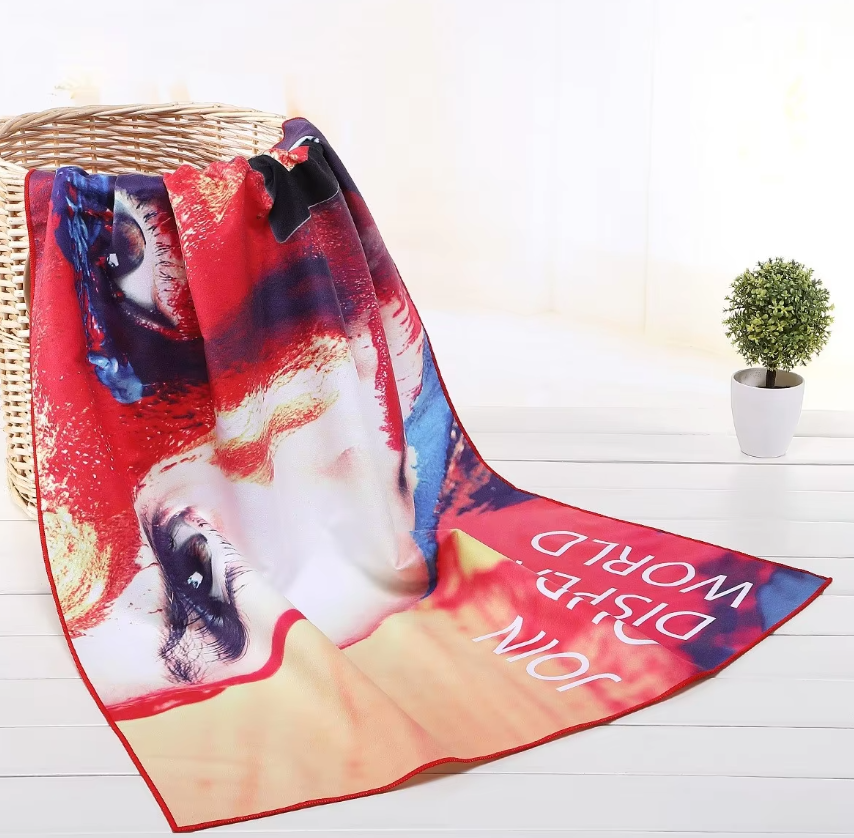
Why Beach Towel Colors Fade in the First Place
A printed beach towel spends its life in conditions that are hostile to color. Sun exposure, chlorine, salt water, sunscreen residue, and repeated washing all attack the dye molecules in the fabric. The chemistry behind this is not complicated. UV radiation breaks the chemical bonds in dye pigments, which is why a towel left on a pool deck for a full summer often looks noticeably duller by August. Chlorine accelerates the process by oxidizing the dye, and sunscreen lotions can carry solvents that lift color from the fibers. Understanding these mechanisms is the first step toward slowing them down. A towel that keeps its color is not just a matter of luck. It comes from decisions made at the fiber, dye, and finishing stages.
Fiber Selection Sets the Ceiling for Color Retention
The base fabric determines how well a towel can hold color in the first place. Cotton is the default for beach towels because it is absorbent, soft, and prints well. Within cotton, long staple varieties like Egyptian or Turkish cotton have longer fibers that dye more evenly and resist the abrasion that dulls printed surfaces. Cotton polyester blends can improve durability and color retention because polyester holds dye differently and resists UV degradation better than cotton alone. But blends feel different, and some customers prefer the pure cotton hand. The table below compares common fiber options for printed beach towels.
| Fiber Type | Color Retention | Softness | Dry Speed | Relative Cost |
|---|---|---|---|---|
| 100 percent cotton | Good | Excellent | Slow | Medium |
| Cotton polyester blend | Very good | Good | Faster | Medium |
| Microfiber polyester | Excellent | Moderate | Very fast | Low to medium |
| Bamboo cotton blend | Good | Excellent | Moderate | High |
These are general tendencies. Actual performance depends on dye selection, finishing, and how the towel is used and washed.
Dye Chemistry and Print Method Matter More Than Most Buyers Realize
Not all printing methods hold color equally. Reactive dyes bond chemically with cotton fibers, forming a covalent link that resists washing and rubbing far better than pigment printing, which sits on the surface of the fabric. A reactive printed towel will generally keep its color longer than a pigment printed one, especially in high wear areas. Digital printing has improved a lot in recent years, but the durability still depends on the ink chemistry and the fixation process. A supplier that controls fixation temperature and time will produce prints that survive more wash cycles. This is where the difference between a cheap towel and a well made one often shows up, not in the initial appearance but in how it looks after twenty washes.
Washing Habits That Preserve Color
How a towel is washed has a bigger effect on color life than most people expect. A few habits make a real difference.
Wash in cold water, since heat opens the cotton fibers and releases dye.
Use a mild detergent without optical brighteners, which can leave residue that dulls prints.
Avoid fabric softener, which coats fibers and can trap dye molecules in a way that speeds fading.
Turn the towel inside out before washing to reduce surface abrasion on the printed side.
Skip the dryer when possible, or use low heat, since high heat is hard on dyes.
A hotel housekeeping manager in a coastal resort once described how switching to cold water washing and eliminating softener extended the usable life of their printed pool towels noticeably. The towels stayed brighter and the replacement cycle stretched out. The change cost nothing and required only a modification to the laundry protocol.
Drying and Storage Practices That Reduce Fade
Sun drying is common for beach towels, but direct sun is also one of the main causes of fading. Drying in shade or indoors when possible reduces UV exposure significantly. If line drying in the sun is the only option, turning the towel so the printed side faces away from direct light helps. Storage also matters. Towels stored in damp conditions can develop mildew, and the cleaning products used to remove mildew are harsh on dyes. Keeping towels dry and storing them away from direct light preserves color. For retail packaging, opaque bags or boxes protect the towel before it ever reaches the customer.
What Manufacturers Can Do at the Production Stage
Color retention is not just a consumer responsibility. It starts at production. Choosing reactive dyes over pigments, controlling fixation parameters, and applying a UV stabilizing finish all improve how a printed beach towel holds up. Some manufacturers also use pre shrinking and washing steps that remove excess dye before the towel ships, which reduces the risk of bleeding in the first few washes. Testing is part of this. Standard tests such as colorfastness to washing, rubbing, and light exposure give measurable data on how a print will perform. A supplier that runs these tests and shares the results is a supplier that takes color seriously.
How Manufacturing Discipline Supports Long Term Color Quality
Consistent color performance across a production run is harder than it looks. It requires control over fiber sourcing, dye formulation, print parameters, and finishing. Shenzhen Jianhong Industrial has been building its home and bathroom textile business around a quality first philosophy, with a product range that covers towels, bath towels, bath mats, bathrobes, slippers, and bedding. The company serves households, hotels, and spa resorts, which means its products have to hold up under commercial laundering as well as home use. For buyers who need printed beach towels that stay bright through repeat orders and long service life, that focus on material and process control is what keeps the color where it belongs.
Table of Contents
- Why Beach Towel Colors Fade in the First Place
- Fiber Selection Sets the Ceiling for Color Retention
- Dye Chemistry and Print Method Matter More Than Most Buyers Realize
- Washing Habits That Preserve Color
- Drying and Storage Practices That Reduce Fade
- What Manufacturers Can Do at the Production Stage
- How Manufacturing Discipline Supports Long Term Color Quality