Tactile Neuro-Perception and Combed Ring-Spun Loft Mechanics
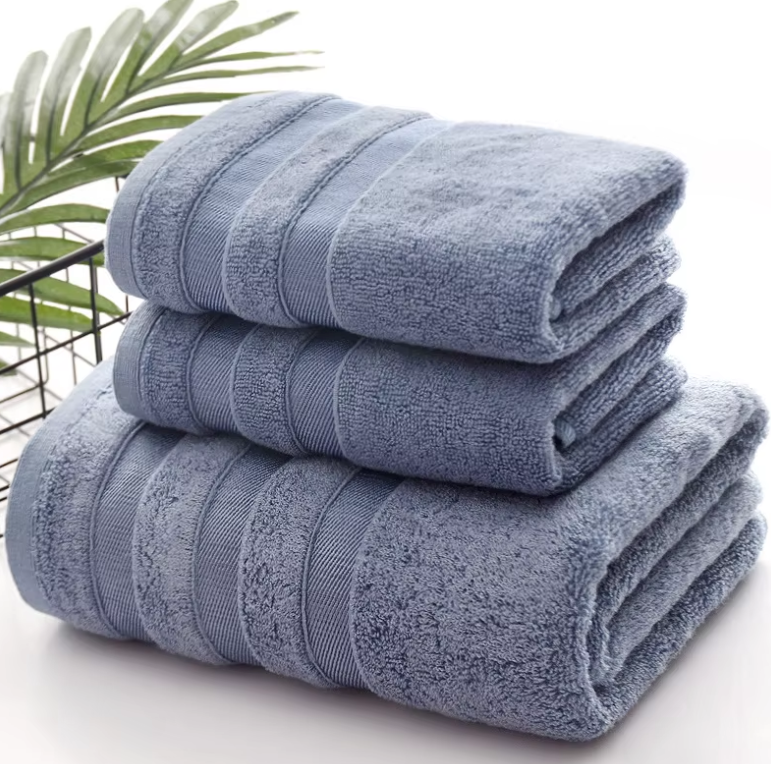
Ambient lighting, diffuser aromatherapy, and soothing acoustic playlists set the visual and auditory mood inside a wellness sanctuary, yet physical skin contact occupies ninety percent of a guest's sensory awareness during a treatment. From the moment a client lies face down on a padded massage table or wraps up after a hydrotherapy soak, the textile barrier against bare skin dictates whether the nervous system actually relaxes. Touching a thin, scratchy cloth woven from uneven open-end yarns triggers immediate tactile friction, breaking the illusion of luxury regardless of how much the marble lobby cost to build. Selecting a genuinely restorative spa towel begins with understanding yarn spinning physics and pile architecture. Combed long-staple ring-spun cotton removes short, prickly fiber ends under mechanical carding combs before twisting the remaining long cellulose strands into a smooth, cohesive yarn core. When woven into a generous 500 to 650 GSM weight using single-ply low-twist loops rather than stiff double-ply twisted threads, the pile traps warm air pockets that cocoon the body while absorbing moisture droplets on contact.
Essential Oil Release, Bleach Defense, and Hem Durability
Operating a commercial treatment room subjects linens to chemical stressors that residential bathroom fabrics rarely encounter. Therapists work sweet almond oil, jojoba carrier oils, volcanic mud masks, and eucalyptus balms deep into the cotton loops, followed by prolonged baking inside seventy-five-degree-Celsius hot towel cabis. Ensuring that every cloth smells fresh and retains its structural shape across hundreds of commercial cycles relies on three textile engineering details:
Hydrophilic scouring and oil-release fiber finishing: Unrefined cotton waxes trap botanical massage oils deep inside the yarn core, turning rancid inside heated dryers and releasing a stale crayon odor when warmed on a client's face; specialized enzyme scouring allows hot wash cycles to flush carrier lipids out completely.
Indanthrene vat dyeing under AATCC Test Method 61 colorfastness benchmarks: Colored wellness linens frequently contact benzoyl peroxide facial cleansers, alpha-hydroxy acids, and chlorinated whirlpool water; vat-dyed fibers lock pigment molecules inside the cellulose structure so slate gray or sage green sheets never develop unsightly orange bleach spots.
Double-turned lockstitch hems without stiff polyester cam borders: Decorative woven dobby borders often shrink at a different rate than the main terry body during high-temperature sanitization, pulling the edges into a warped hourglass shape; pre-shrunk, plain-hemmed borders keep folded stacks crisp and square on treatment carts.
Textile Specification Matrix Across Wellness and Hospitality Zones
Assigning the exact gram weight, weave geometry, and fiber blend to each functional zone prevents both laundry bottlenecks and guest discomfort.
| Wellness Application Zone | Recommended Textile Spec | Ideal GSM Weight | Key Functional Requirement | Guest Sensory Benefit |
|---|---|---|---|---|
| Facial Steaming & Hot Cabi Rolls | 100% Combed Ring-Spun Cotton or Bamboo Blend | 400 to 450 GSM | OEKO-TEX Standard 100 skin safety, retains steam heat | Silky, non-abrasive warmth over sensitive facial pores |
| Full-Body Massage Table Draping | Oversized Single-Ply Combed Cotton Sheet | 500 to 550 GSM | High oil-release washability, zero shrunk borders | Heavy, secure thermal drape without feeling clammy |
| Hydrotherapy, Sauna & Pool Loungers | Vat-Dyed Two-Ply Ring-Spun Cotton Terry | 550 to 620 GSM | AATCC 61 chlorine & UV resistance, high water uptake | Plush cushioning over wooden slats, instant drying |
| Salon Hair Wrapping & Exfoliation | 3D Waffle Weave or Split Microfiber Terry | 320 to 380 GSM | Lightweight capillary wicking, snag-free surface | Wraps comfortably on the head without neck strain |
The specification matrix above highlights a critical operational distinction: while a massive 650 GSM bath sheet feels wonderful beside an outdoor heated plunge pool, rolling a towel that thick for a facial hot-cabi steamer makes it far too heavy and suffocating across a client's nose and cheekbones.
Field Lessons from a Napa Valley Vineyard Resort and Spa Overhaul
Ignoring lipid buildup and differential border shrinkage can quietly undermine five-star treatment reviews. During an annual quality audit at a luxury vineyard resort and wellness sanctuary in Napa Valley, California, the spa director investigated a series of subtle guest comments mentioning a faint, musty cooking-oil scent on the warm facial compresses and rough, puckered edges on the massage table drapes. The resort had been purchasing 600 GSM double-ply cotton towels featuring wide decorative polyester-blend dobby bands from a standard hotel supplier. Inspecting the laundry and treatment rooms exposed two technical mismatches. First, the tightly twisted double-ply yarns trapped grapeseed and sweet almond massage oils during washing; when housekeeping ran the damp loads through high-heat gas dryers, the residual lipids oxidized inside the cotton core and released a rancid smell the moment estheticians heated the rolls inside steam cabinets. Second, the decorative dobby borders shrank four percent more than the terry body, creating hard, rippled ridges that dug into guests' shoulders on the massage tables. Partnering with an experienced textile manufacturer solved both issues. The resort transitioned to borderless, enzyme-scoured single-ply combed cotton spa towels rated at 450 GSM for facial cabis and 550 GSM for table draping, paired with an emulsifying surfactant wash cycle. Musty oil odors vanished completely, and folded linen carts regained their five-star visual symmetry.
Laundering Thermal Boundaries and Sourcing Cohesive Linen Programs
Even the finest combed cotton or bamboo-viscose wellness linens require disciplined back-of-house handling. Leaving oil-soaked massage sheets piled in a warm laundry hamper overnight can trigger spontaneous exothermic oxidation, scorching the fibers or permanently setting yellow lipid stains before they ever reach the washing machine. Washing oiled loads promptly with warm alkaline-balanced emulsifiers and avoiding silicone fabric softeners keeps hydrophilic loops open and absorbent for years.
For luxury resorts, day spas, boutique hotels, and household buyers seeking dermatologically safe, sumptuously soft home and hospitality linens, Jianhong operates from Shenzhen under the core philosophy of quality as the foundation and customers at the core. Offering a complete portfolio across bathroom and bedroom spaces, including plush towels, bath towels, bath mats, bathrobes, and slippers alongside pillows, bedding sets, summer quilts, and blankets, the team delivers eco-friendly, aesthetically refined textile solutions engineered to elevate every guest touchpoint.
Table of Contents
- Tactile Neuro-Perception and Combed Ring-Spun Loft Mechanics
- Essential Oil Release, Bleach Defense, and Hem Durability
- Textile Specification Matrix Across Wellness and Hospitality Zones
- Field Lessons from a Napa Valley Vineyard Resort and Spa Overhaul
- Laundering Thermal Boundaries and Sourcing Cohesive Linen Programs