
 EN
EN
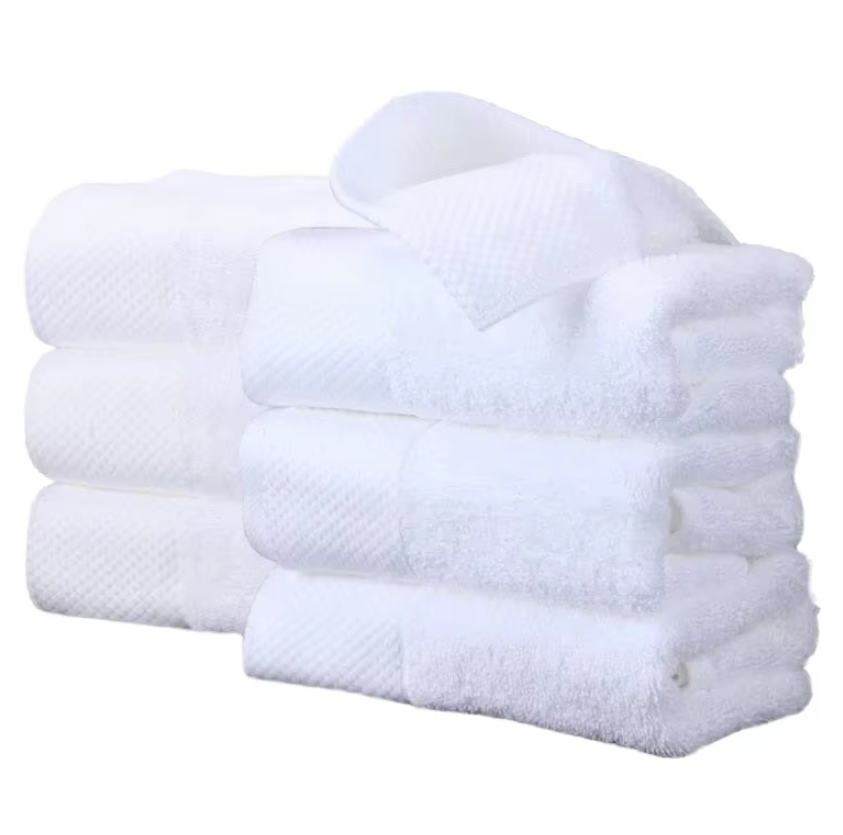
Ihmeellisen pyykin etsintä
Me kaikki tunnemme sen tunteen, kun käännämme itsellemme brand new, erinomaisen pehmeän pyykin. Se on taivaallista. Mutta sitten muutaman pesukerran jälkeen pehmeys haihtuu, kudos muuttuu karkeaksi ja pyykin säikeet alkavat hajoaa. Se on pettävä, lievästi sanottuna. Mutta miten löytää pyykkipaketti, joka säilyttää pehmeysnsä ja kestää aikaa? Se ei ole yhtä yksinkertaista kuin ottaa hyllyltä pehmin näköinen pyykinpakkauksen. Siihen liittyy tieteellistä taustaa. Sinun täytyy ottaa huomioon materiaali, kudonta, paino ja hoitotavat. Se saattaa kuulostaa monimutkaiselta, mutta kun tiedät, mihin tulisi kiinnittää huomiota, täydellisen pyykkipaketin valinta tulee luontevaksi.
Materiaali ratkaisee: Puuvillan arvoitus
Ensimmäinen ja tärkein tekijä on materiaali. Puuvilla on kultainen standardi pyyhkeille, mutta kaikki puuvilla ei ole yhtä laatuista. Tavallinen puuvilla on hyväksyttävää, mutta se ei tarjoa sitä luksusmaista tunnetta tai kestävyyttä. Sitten on egyptiläinen puuvilla, joka tunnetaan erityisen pitkistä kuiduistaan. Nämä pitkät kuidut muodostavat sileämmän ja vahvemman langan, joka tuntee pehmeämmältä ja kestää pidempään. Pima-puuvilla on toinen erinomainen vaihtoehto ja tarjoaa samankaltaisia etuja. Mutta tässä on salaisuus: pitkäkuituinen puuvilla on termi, jota haluat todella etsiä. Se ei kuulosta yhtä hienoilta kuin egyptiläinen tai pima-puuvilla, mutta se on usein yhtä hyvää, jos ei parempaa, ja yleensä edullisempää. Puuvillakuidun pituus vaikuttaa suoraan pyyhkeen pehmeys- ja kestävyystasoon. Lyhyet kuidut pilaantuvat ja hajoavat nopeammin, kun taas pitkät kuidut pysyvät ehjinä ja antavat luksusmaisen tunnetta pesukerrasta toiseen. Kun ostat pyyhkejä, tarkista siis merkintä ”pitkäkuituinen puuvilla” tai ”erityisen pitkäkuituinen puuvilla”. Se on pieni yksityiskohta, joka tekee valtavan eron.
Painon ja tiukkuuden tekijä
Oletko huomannut, että jotkut käsipyyhkeet tuntuvat painavalta ja tiukalta, kun taas toiset tuntuvat ohuilta ja heikoilta? Tässä tulee esiin GSM-arvo. GSM tarkoittaa grammaa neliömetrillä ja se kuvaa käsipyyhkeen tiukkuutta ja painoa. Korkeampi GSM-arvo tarkoittaa yleensä paksuempaa, absorbentimpaa ja kestävämpää käsipyyhkettä. Jokapäiväiseen käyttöön tarkoitetun käsipyyhkesarjan tulisi olla 400–600 GSM:n välillä. Alle 400 GSM:n käsipyyhkkeet ovat usein liian ohuita ja eivät kestä kovinkaan kauan. Ne saattavat kuivua nopeammin, mutta niissä puuttuu tuoksuton, luksusmainen tunne. Yli 600 GSM:n käsipyyhkkeet ovat erinomaisen paksuja ja pehmeitä, mutta niiden kuivuminen voi kestää hyvin pitkään ja ne saattavat olla liian painavia joillekin ihmisille. Siksi jokapäiväisille käsipyyhkeille paras vaihtoehto on juuri keskitasolla. Se tarjoaa täydellisen tasapainon pehmeys-, absorbenttisuus- ja kestävyysominaisuuksien välillä. Kun otat käsipyyhkeen käteesi, sinun pitäisi tuntea sen paino. Sen tulisi tuntua merkittävältä ilman, että se olisi hankala käsitellä. Tämä on hyvin valmistetun käsipyyhkeen tunnusmerkki.
Kudontatyypit ja niiden vaikutus
Myös kankaan kudonta vaikuttaa pyykin suorituskykyyn. Yleisin pyykinkudonta on teri-kudonta, jossa langan silmukat muodostavat yhden tai molemmat puolet pyykistä. Nämä silmukat antavat pyykille sen kosteudenimeytyskyvyn ja pehmeän tunnon. Silmukoiden pituus ja tiukkuus ovat tärkeitä. Pidemmät ja tiukemmat silmukat tarkoittavat suurempaa pinta-alaa veden imeytymiselle, mikä parantaa suorituskykyä. Mutta tässä on sudenkuoppa: silmukat voivat tarttua ja venyä ajan myötä, mikä johtaa rakoilemiseen ja huonompaan ulkoasun. Siksi jotkut valmistajat käyttävät toisella puolella velours- tai tasakudontaa. Velours on leikattuja silmukoita, mikä antaa pyykille sileämmän ja hienomman ulkoasun ja tunnon. Sitä käytetään usein kylpyliinujen ulkopinnassa tai koristepykyissä. Arkipäiväiseen käyttöön klassinen teri-kudottu pyykki velours-reunukkeella tai kaksinkertaisella silmukkarakenteella tarjoaa parhaan kompromissin: kosteudenimeytyskyvyn ja kestävyyden. Tärkeintä on etsiä tiukasti kudottuja silmukoita, jotka tuntuvat turvallisilta ja yhtenäisiltä.
Värin pysyvyys ja värjäyslaatu
Puhutaan väreistä. Kaunis käsipyykki- tai pesupyykkiasettelu rikkaassa, elävässä värissä voi heti piristää kylpyhuonettasi. Mutta jos väri muuttuu heikommaksi muutaman pesukerran jälkeen, se on suuri pettymys. Siksi värinsäilyvyys on niin tärkeää. Korkealaatuiset pyykkiasettelut käyttävät värejä, jotka eivät muutu helposti, vaikka pyykit pestään usein. Tämä on erityisen tärkeää, jos valitset tummia tai kirkkaita värejä, jotka muuttuvat helpommin. Etsi pyykkien merkintöjä, joissa mainitaan värinsäilyvyys tai joita on testattu värinsäilyvyyden kannalta. Monet luotettavat valmistajat käyttävät reaktiivisia värejä, jotka sitoutuvat puuvillakuidun molekyylitasolla. Tämä tarkoittaa, että väri muodostuu osaksi kudosta itseään, eikä se vain peitä sen pintaa. Tuloksena on pyykin, jonka värit pysyvät elävänä ja kauniina vuosikausia. Kun sijoitat käsipyykki- tai pesupyykkiasetteluun, haluat, että se näyttää yhtä hyvältä 50 pesukerran jälkeen kuin ensimmäisenä päivänä. Älä siis jätä värien laatua huomiotta.
Rakenne ja reunien viimeistely
Pyyhe on yhtä hyvä kuin sen rakenne. Reunojen viimeistelytapa, ompelut ja kokonaisvaltainen rakennelaatu vaikuttavat siihen, kuinka kauan pyyhe kestää. Etsi pyyhettä, jossa on kaksinkertaisesti ompeltu reunus tai vahvistetut reunat. Näillä on pienempi todennäköisyys purkautua tai karkeutua ajan myötä. Jotkin pyyhkeet sisältävät jopa koristeellisen reunan tai kudottuun reunukseen, joka lisää sekä tyyliä että kestävyyttä. Kulmat tulisi viimeistellä siististi ilman löysitä langoja tai epätasaisia ompeluita. Kannattaa myös tarkistaa pyyhkeen "karva" – silmukat, jotka muodostavat pinnan. Korkealaatuinen pyyhe sisältää tasaisen ja yhtenäisen karvan ilman kaljuja kohtia tai ohentuneita alueita. Kun käytät kätesi pyyhkeen päällä, sen tulisi tuntua yhtenäiseltä ja pehmeältä. Nämä pienet yksityiskohdat saattavat vaikuttaa merkityksettöiltä, mutta ne ovat juuri se ero pyyhkeen välillä, joka kestää vuoden, ja sellaisen välillä, joka kestää kymmenen vuotta.
Hoito: pehmeän ja kestävän pyyhkeen säilyttäminen
Parhaankin käsipyykin joukon pehmeys ja kestävyys heikentyvät, jos sitä ei huolleta asianmukaisesti. Käsipyykkien pesu- ja kuivaustavat vaikuttavat merkittävästi niiden kestoon. Ensinnäkin: pesä uudet käsipyykit aina ennen käyttöä. Tämä poistaa mahdolliset valmistusprosessissa jääneet kemikaalit ja saa kuidut puhkeamaan. Käytä lievää pesuainetta ja vältä pehmentimiä. Pehmentimet saattavat tehdä käsipyykeistä aluksi pehmeitä, mutta ne muodostavat kuitujen päälle rasvaisen kalvon, joka heikentää imeytyskykyä ajan myötä. Sen sijaan lisää pesun viimeiseen huuhteluvaiheeseen puoli kupillista valkoista etikkaa. Se pehmentää kankaan luonnollisesti ja poistaa pesuainejäämiä. Kuivaus tapahtuu parhaiten alhaisella lämpötilalla pyörivässä kuivaimessa. Korkea lämpötila voi vahingoittaa kuituja ja aiheuttaa kutistumista. Älä myöskään ylikuivaa käsipyykkejä: ota ne pois kuivaimesta, kun ne ovat vielä hieman kosteita, ja anna niiden ilmakuivua loppuun. Tämä auttaa säilyttämään niiden puhkeisuuden ja estää kovettumisen.
Miksi JH Super Towel Sets ovat älykäs valinta
Kun etsit pyykkiliinoja, jotka yhdistävät pehmeän tunnon ja kestävyyden, JH Super on nimi, johon voit luottaa. He käyttävät korkealaatuista pitkäkuituista puuvillaa, joka tuntee itsensä luksusmaiselta iholle ja kestää päivittäistä käyttöä. Heidän pyykkiliinansa on kudottu tarkasti tiukkojen silmukoiden avulla, mikä maksimoi imevyyden samalla kun ne pysyvät pehmeinä ja viltteisinä. Käytetty värjäysprosessi takaa kirkkaat värit, jotka eivät hämärty, vaikka liinat pesetään useita kertoja. Rakennetta on myös huolellisesti suunniteltu: vahvistetut reunat ja tarkka ompelu estävät rakoilua ja purkautumista. JH Super ymmärtää, että pyykkiliinasetti on investointi arkipäiväiseen mukavuuteesi. Siksi he panostavat valtavasti jokaiseen valmistusprosessin vaiheeseen. Raaka-aineista viimeisiin viimeistelyyn asti heidän pyykkiliinansa on suunniteltu tarjoamaan erinomainen kokemus aina uudelleen. Jos siis haluat pyykkiliinasettejä, jotka tuntuvat hyviltä ja kestävät pitkään, JH Super on sinulle oikea valinta.