
 EN
EN
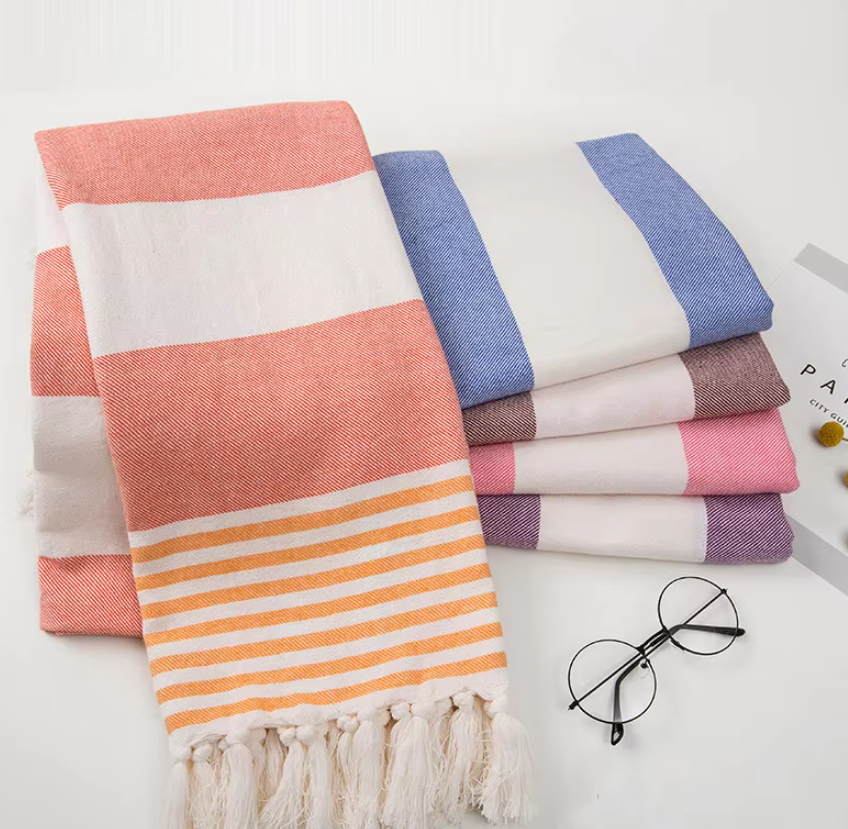
Fiber‑level mechanics behind microfiber outdoor‑ready performance
A microfiber beach towel draws its functional strengths from split bicomponent fiber construction. Ultra‑fine segmented filaments create large total surface area, generating capillary wicking effects that move moisture away from skin surface. Unlike traditional looped cotton terry, this fabric structure changes how water interacts with textile material. Cotton absorbs water inside fiber cavities, gaining heavy weight once saturated. Microfiber traps moisture within gaps between tiny filaments. Such physical differences define real‑world performance gaps for beach, camping and pool‑side outdoor scenarios. Even well‑made microfiber variants still show variable outcomes, heavily depending on base fabric density and finishing treatment during manufacturing.
Practical deployment observations from coastal resort accessory upgrade
One coastal holiday resort carried out linen‑goods refresh for beach club facilities. Initial procurement plans leaned toward classic cotton beach towel stock. After field trial runs, on‑site staff reported recurring pain points. Fully soaked cotton towels turned bulky and heavy, retained dampness for many hours under humid sea‑breeze conditions. Sand particles became trapped deep inside terry loops and could not shake free easily. Resort operators switched test batches over to microfiber beach towel units. Field monitoring recorded faster surface drying after guest use. Sand particles separated cleanly with simple shaking motions. Staff handling workload for laundry turnover also saw measurable improvement. This real‑world resort case shows how material choice shapes day‑to‑day operational experience for outdoor textile applications.
Performance comparison between microfiber and cotton beach towel options
Reference test data comes from textile lab evaluations following GB/T 21655.1‑2023 moisture wicking assessment protocols for consumer textiles. The table below compares practical outdoor‑relevant traits.
| Towel Material | Weight When Saturated | Sand‑releasing Behavior | Approximate Natural Drying Time | Key Weakness for Outdoor Use |
|---|---|---|---|---|
| Microfiber Blend | Light, moderate weight | Sand easily shakes loose | 1.5‑2.5 hours under ventilation | Low‑grade versions risk surface pilling |
| Cotton Terry Fabric | Heavy, significant weight gain | Sand embeds inside fiber loops | 5‑7 hours under ventilation | Slow drying promotes musty odor buildup |
Portability benefits for multi‑form outdoor travel scenarios
Outdoor activities cover diverse settings from beach getaways to hiking stopovers and pool recreation trips. Packing volume becomes a tangible concern for backpack‑based travel. Equivalent‑size microfiber towel rolls down into much smaller compressed dimensions. It creates less luggage burden when multiple textile items share limited bag space. Many cotton beach towel products gain substantial mass once wet, making them awkward to carry before drying completes. Compact physical form does not automatically guarantee quality. Very low‑density microfiber loses absorbency performance even though it keeps small packing size. Density specifications deserve review alongside overall dimension for procurement decisions.
Durability and print stability under harsh outdoor exposure
Outdoor environments subject textiles to intense ultraviolet sunlight, saltwater residue and repeated washing cycles. Printed surface patterns face fading risk under strong solar radiation. Poor‑quality transfer printing will peel after repeated salt‑water contact. Qualified production workflows apply dye formulas matched to microfiber substrate. Textile safety standards such as OEKO‑TEX Standard 100 set measurable limits for harmful substances within skin‑contact textiles, which applies for beach towel product lines used in prolonged direct‑skin contact. It remains important to separate compliance certification from long‑term abrasion resistance, as certification alone cannot fully predict real‑world service lifespan.
Practical selection considerations for outdoor‑oriented beach towel sourcing
Several evaluation points help avoid common pitfalls during product selection.
- Review fabric density metrics, rejecting overly low‑density variants that sacrifice absorption capacity.
- Run exposure testing with salt‑water immersion to check print adhesion and color fastness.
- Confirm textile safety compliance standards for long‑term skin contact.
- Complete simulated wear cycles to observe pilling resistance before large‑batch orders.
Balanced evaluation weighs portability, absorption and durability instead of focusing merely on unit pricing. Jianhong Industrial holds mature textile supply‑chain resources, executing full‑phase quality inspection for home and hospitality textile goods. Its product portfolio includes microfiber textile options, supporting sample validation and stable volume supply for global buyers targeting outdoor‑recreational consumer markets.
Table of Contents
- Fiber‑level mechanics behind microfiber outdoor‑ready performance
- Practical deployment observations from coastal resort accessory upgrade
- Performance comparison between microfiber and cotton beach towel options
- Portability benefits for multi‑form outdoor travel scenarios
- Durability and print stability under harsh outdoor exposure
- Practical selection considerations for outdoor‑oriented beach towel sourcing