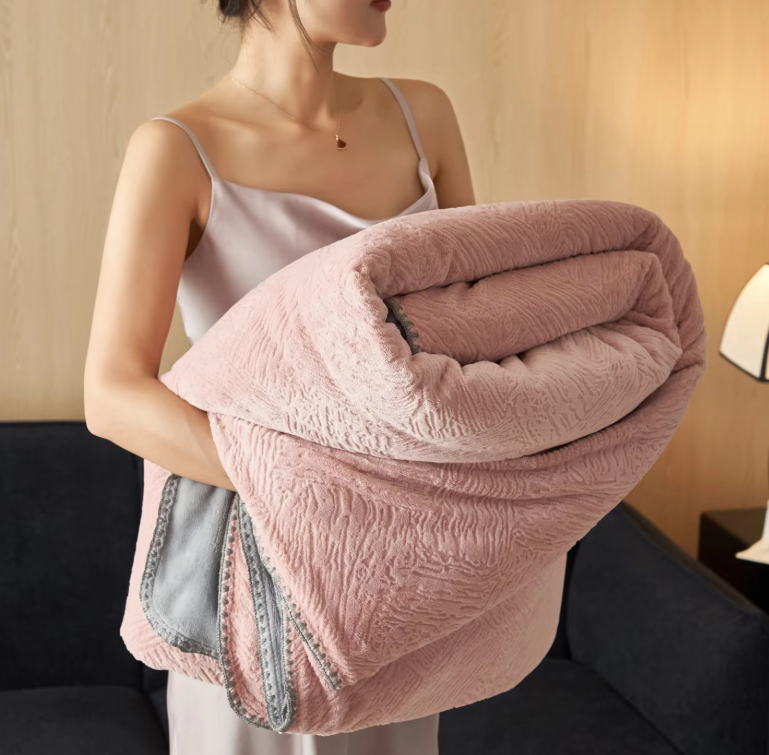
The gap between a showroom look and a lived-in feel
A room can photograph well and still feel wrong to live in. That gap usually comes down to textiles. High-quality home textiles do more than dress a bed or a bathroom. They buffer temperature, manage moisture, soften sound, and hold their color through repeated washing. The aesthetic side matters, but comfort is what makes a space feel settled after the staging is gone.
Walk into a hotel room with stiff, shiny sheets and the first impression may be polished. Sleep on them for a night and the review changes. The same logic applies at home. A sofa throw or a bath towel that looks great on a shelf but feels clammy or scratchy will end up in the back of the closet. Quality in this category is not a single label. It is a chain of decisions from fiber to weave to finish.
Fiber choice sets the baseline for comfort and care
In home textiles, fiber is the first fork in the road. Cotton remains the default for bedding and towels because it absorbs moisture and releases it gradually. Linen breathes well and has a dry hand, but it wrinkles and takes time to break in. Lyocell and other regenerated cellulose fibers offer a smooth drape and decent moisture management, though they need gentler care. Polyester microfiber can feel soft at first, yet it traps heat and tends to hold odor.
The table below compares common fibers on the factors that show up in daily use, not just in a catalog.
| Fiber | Moisture regain | Hand feel | Pilling tendency | Color retention after washing | Care demands |
|---|---|---|---|---|---|
| Cotton | About 8% | Soft, dry | Low with long-staple yarn | Good with reactive dyes | Machine wash, medium heat |
| Linen | About 12% | Crisp, dry | Low to medium | Good, can fade in strong sun | Wrinkles easily, line dry |
| Lyocell | About 11% to 13% | Smooth, cool | Low | Moderate | Gentle cycle, low heat |
| Polyester microfiber | Under 1% | Smooth, slick | Low | High | Easy care, low breathability |
In home textiles, fiber labels do not tell the whole story. A cheap short-staple cotton can pill faster than a well-spun blend. Fiber length, yarn twist, and finishing often matter more than the generic name on the tag.
Weave and finish decide how fabric feels on skin
Weave changes the surface without changing the fiber. Percale bedding has a crisp, matte hand and good airflow. Sateen has a smoother face and a subtle sheen, which reads as more polished but can feel heavier. Terry towels rely on loop density and pile height to balance absorbency and drying speed. A dense low-pile towel dries faster and looks tidier, while a high-pile towel feels plusher but holds more water.
Finishes can improve first touch, but heavy chemical softeners may reduce absorbency in towels or breathability in sheets. Buyers should ask for fabric weight and shrinkage data rather than relying on thread count alone. ASTM D3776 provides a consistent method for fabric weight per unit area, and AATCC 135 covers dimensional changes after home laundering. Those standards do not guarantee comfort, but they make supplier claims easier to compare. OEKO-TEX Standard 100 is another useful reference for restricted substances, especially for products that touch skin.
Color, texture, and the aesthetics that survive daily use
Aesthetics in home textiles is not just about a pretty palette. It is about how color and texture hold up. Deep dyes can look rich in a showroom and then fade or crock after a few commercial washes. Texture can hide wear, but a loose weave may snag. The practical goal is a surface that still looks intentional after a year of use.
A boutique hotel renovation along the southern coast offered a useful lesson. The design team specified dark sateen pillowcases and high-pile towels to match a moody palette. Guests loved the look at opening. By the third month, housekeeping reported visible fading on the pillowcases and a musty smell in towels that stayed damp between shifts. The fix was not a complete redesign. The team switched to reactive-dyed percale in a slightly lighter tone and a lower-pile terry with better airflow. Complaint rates dropped, and the rooms still looked cohesive. The lesson is simple: color fastness and drying behavior belong in the design conversation, not in a post-opening troubleshooting call.
The maintenance reality that buyers should plan for
For home textiles buyers, no textile is maintenance-free. Linen wrinkles. Cotton takes longer to dry than polyester. Dark colors show lint and fading. High-pile towels feel luxurious but need more drying time and better ventilation. These trade-offs are not deal breakers, but they should be planned for.
Match fiber to the drying setup. A small apartment dryer favors lighter cotton or cotton-rich blends.
Choose dye systems for the expected wash cycle. Reactive dyes generally hold color better through repeated laundering.
Keep texture practical. Tight weaves and low-pile terry hide wear better in high-traffic spaces.
Buy for the laundry reality, not the showroom. Commercial wash programs are harsher than home cycles.
Sourcing with specs that hold across orders
Consistency is where good home textiles programs are won or lost. A buyer can approve a beautiful sample and then receive a second shipment with a different hand, shade, or shrinkage behavior. The antidote is a spec sheet that names fiber length, yarn count, fabric weight, weave, dye method, and shrinkage tolerance. Factory audits and lab testing help, but clear specs do the daily work.
Jianhong brings integrated manufacturing and quality control to bedding and bathroom textiles, which helps buyers keep fiber, weave, and finishing details aligned from one order to the next. That kind of supply chain discipline supports both the comfort and the aesthetic side of a home textiles program, without relying on vague premium claims.
Table of Contents
- The gap between a showroom look and a lived-in feel
- Fiber choice sets the baseline for comfort and care
- Weave and finish decide how fabric feels on skin
- Color, texture, and the aesthetics that survive daily use
- The maintenance reality that buyers should plan for
- Sourcing with specs that hold across orders