
 EN
EN
That waterproof layer is more delicate than it looks
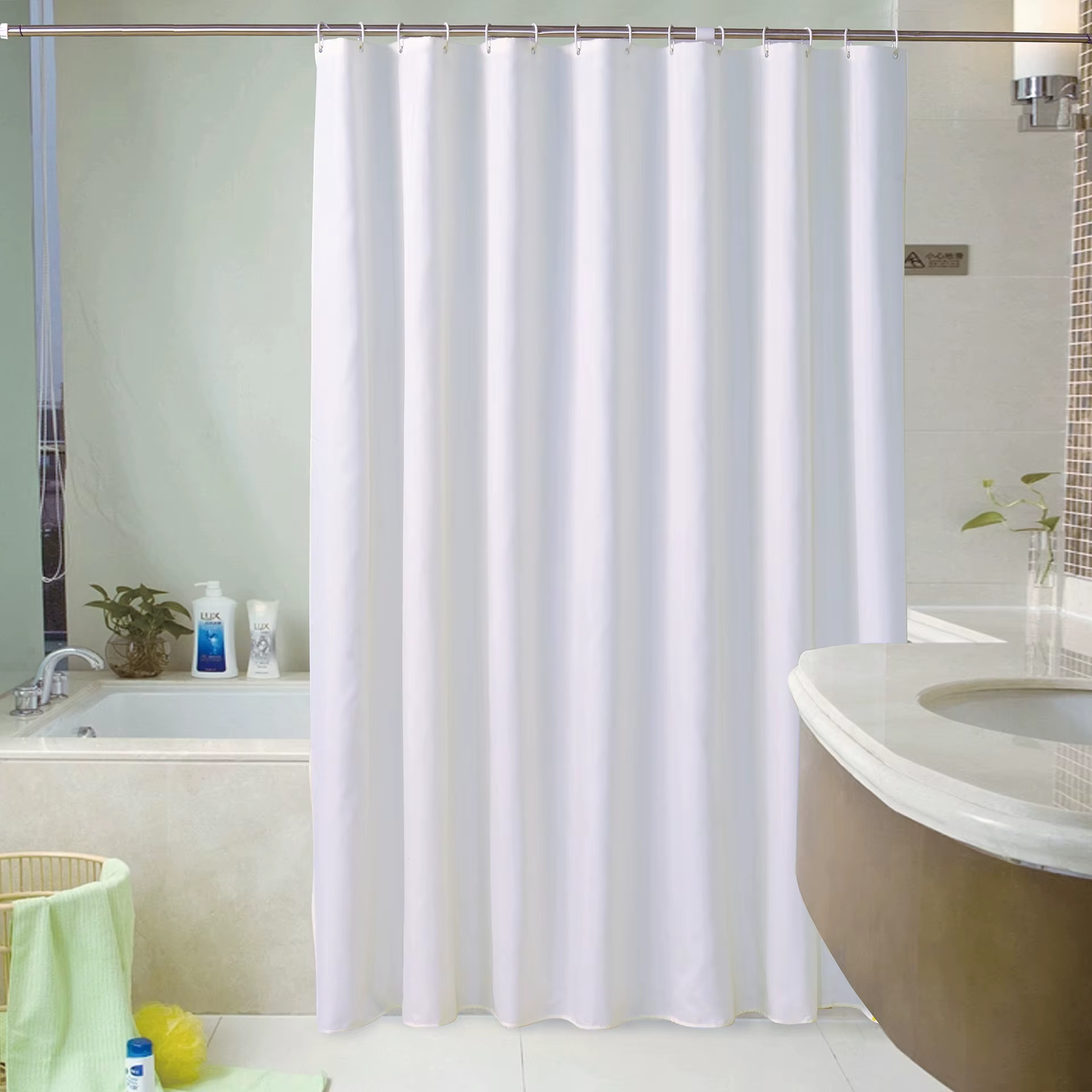
A waterproof shower curtain seems like it should be low-maintenance—hang it up, forget about it, maybe wipe it down once in a while. But anyone who has watched a perfectly good curtain start to leak, peel, or develop that cloudy, sticky residue knows better. The waterproof coating or membrane that keeps water on the right side of the curtain is surprisingly easy to damage with the wrong cleaning approach.
A facility manager at a mid-sized hotel chain in the southeastern United States kept detailed maintenance logs for their 200 guest bathrooms over a two-year period. The data showed that shower curtains cleaned with bleach-based products or washed in hot water needed replacement roughly twice as often as those cleaned with mild detergents and cold water. The difference wasn't subtle—the aggressive methods stripped the waterproof layer in about half the time. Most guests never notice the care instructions printed on the tag, but the housekeeping staff sure learned the hard way.
What actually makes a shower curtain waterproof
Before diving into cleaning methods, it helps to understand what's being cleaned. Fabric shower curtains typically rely on a DWR (durable water-repellent) coating applied to the surface, which causes water to bead up and roll off rather than soaking in. Plastic or vinyl liners, including PEVA (polyethylene vinyl acetate) options, achieve waterproofing through the material itself—the plastic film is inherently water-impermeable. The vulnerability differs: coatings can be scrubbed or chemically stripped, while plastic films can be warped by heat or degraded by certain solvents.
The key distinction matters for cleaning. A coated fabric curtain needs gentle handling to preserve the surface treatment. A PEVA liner, on the other hand, is more resistant to mild cleaners but can melt, shrink, or become brittle if exposed to high temperatures. Knowing which type is hanging in the bathroom is the first step toward cleaning it without regret.
The machine wash trap—what the label doesn't always tell you
Throwing a shower curtain into the washing machine seems like the obvious solution. And in many cases, it works—if done correctly. The safe approach is cold water, a gentle cycle, and a small amount of mild liquid detergent. Adding a couple of bath towels to the load helps scrub the curtain gently and prevents it from tangling or sticking to itself.
What the label often fails to emphasize is what not to do. Hot water is a fast track to disaster for both coated fabrics and plastic liners—it can melt PEVA, shrink vinyl, and break down DWR coatings. Fabric softener is another silent killer; the oils and silicones in softeners leave a film that actually reduces water repellency over time. And the dryer? That's where waterproof shower curtains go to die. High heat damages the waterproof layer on the surface of the curtain, often irreversibly. Air drying is the only safe option.
Hand washing—old school but reliable
For those who prefer a more controlled approach, hand washing is arguably the safest method for preserving a shower curtain's waterproof properties. Fill a basin or bathtub with lukewarm water—around body temperature, nothing hotter. Add a mild detergent or, for tougher soap scum, a half-cup of white vinegar. Vinegar is safe for plastic, vinyl, and PEVA materials, and it cuts through mineral deposits without attacking the waterproof layer.
Let the curtain soak for about 20 to 30 minutes, then wipe it down with a soft sponge or cloth. Avoid abrasive scrubbers—those green scouring pads are excellent for dishes but terrible for shower curtains. Rinse thoroughly with cool water and hang it back up to dry. A quick squeegee after each shower helps reduce moisture buildup and extends the time between deep cleans.
A maintenance schedule that actually works
Regular cleaning prevents the kind of heavy buildup that forces aggressive scrubbing. A bi-monthly cleaning routine—every one to two months—keeps most shower curtains in good shape without excessive effort. Between cleanings, a quick wipe-down with a damp cloth or a spray of diluted vinegar solution handles surface spots before they become stains.
| Cleaning Method | Waterproof Layer Safety | Best For | Key Restriction |
|---|---|---|---|
| Machine Wash (Cold, Gentle) | Good | Fabric curtains, PEVA liners | No fabric softener, no dryer |
| Hand Wash (Lukewarm, Mild Soap) | Excellent | All types | Avoid abrasive scrubbers |
| Vinegar Soak | Excellent | Soap scum removal | Rinse thoroughly afterward |
| Bleach or Harsh Chemicals | Poor | Not recommended | Strips coating, damages plastic |
The hotel facility manager mentioned earlier eventually standardized on a monthly vinegar-soak routine for their fabric curtains and a quarterly replacement schedule for their PEVA liners. The vinegar approach extended the life of their fabric curtains by roughly 40% compared to their previous bleach-based method, and the quarterly replacement of liners turned out to be more cost-effective than trying to stretch them beyond their useful life.
What about those stubborn spots and odors?
Mold and mildew are the real enemies of any shower curtain. The warm, damp environment of a bathroom is an ideal breeding ground, and once mildew takes hold, it can be tough to eliminate without damaging the curtain. For spot treatment, a paste made from baking soda and water applied to the affected area and left for 10-15 minutes can lift stains without the harshness of bleach.
For odors, white vinegar is again the go-to solution. Adding half a cup to the rinse cycle during a machine wash, or soaking the curtain in a vinegar-water solution, neutralizes smells without leaving behind the perfumed residue that fabric softeners deposit. The vinegar smell dissipates as the curtain dries, taking any musty odors with it.
Keeping it simple, keeping it waterproof
Cleaning a waterproof shower curtain doesn't have to be complicated, but it does require a bit of attention to what the curtain is made of and what cleaning products are being used. Cold water, mild detergent, and air drying are the universal constants. Vinegar is a versatile ally for tackling soap scum and odors without collateral damage. Bleach, hot water, and abrasive scrubbing are the quickest ways to turn a perfectly good curtain into a leaky mess.
For those in the business of supplying shower curtains to hotels, resorts, or retail channels, products that hold up to proper cleaning routines are worth their weight in customer satisfaction. Shenzhen Jianhong Industrial Co., Ltd. offers bathroom textiles designed with real-world maintenance in mind, backed by quality control processes that ensure durability through repeated cleaning cycles.
Table of Contents
- That waterproof layer is more delicate than it looks
- What actually makes a shower curtain waterproof
- The machine wash trap—what the label doesn't always tell you
- Hand washing—old school but reliable
- A maintenance schedule that actually works
- What about those stubborn spots and odors?
- Keeping it simple, keeping it waterproof